
When I first got clean and sober I was unfortunately pushed towards meetings and a social solution.
It would take me at least a few months to a year before I would be comfortable in finding an alternative to this.
And it took me even longer than that to understand some of the finer nuances of introverted recovery, like figuring out how to escape from the world when I was feeling overwhelmed by people and social pressure.
Here is what I learned.
Creating a safe physical space
If you can, it’s nice to be able to create a physical, indoor safe space for yourself.
Most–but not all of us–will have this luxury (one universal alternative found below).
Here are some cool things that you can do with your physical safe space in order to make it more of a mental and emotional safe space as well:
1) Eliminate work, homework, and annoying distractions there as much as possible.
2) Save a specific music track to play that you only play in this safe space. I would suggest an ambient trance track or something like this if you don’t have anything else. Look it up on YouTube. Using this as exclusive music will help cue you in to the fact that you are in your sanctuary, and your relaxation. Your brain says “oh, this is my music that plays while I relax and unwind.”
3) The same goes for smell, which is extremely powerful and is widely underestimated–you should pick a smell you enjoy and only use it for your sanctuary. You can choose how to distribute it via candle, incense, air freshener, room spray, or whatever works for you. But again, this cues your brain into “this is my safe space of relaxation.”
4) Try to keep it off limits to intruders. Sometimes easier said than done.
5) You might consider journaling here, but if that feels like an unwelcome burden or obligation, you should probably drop it.
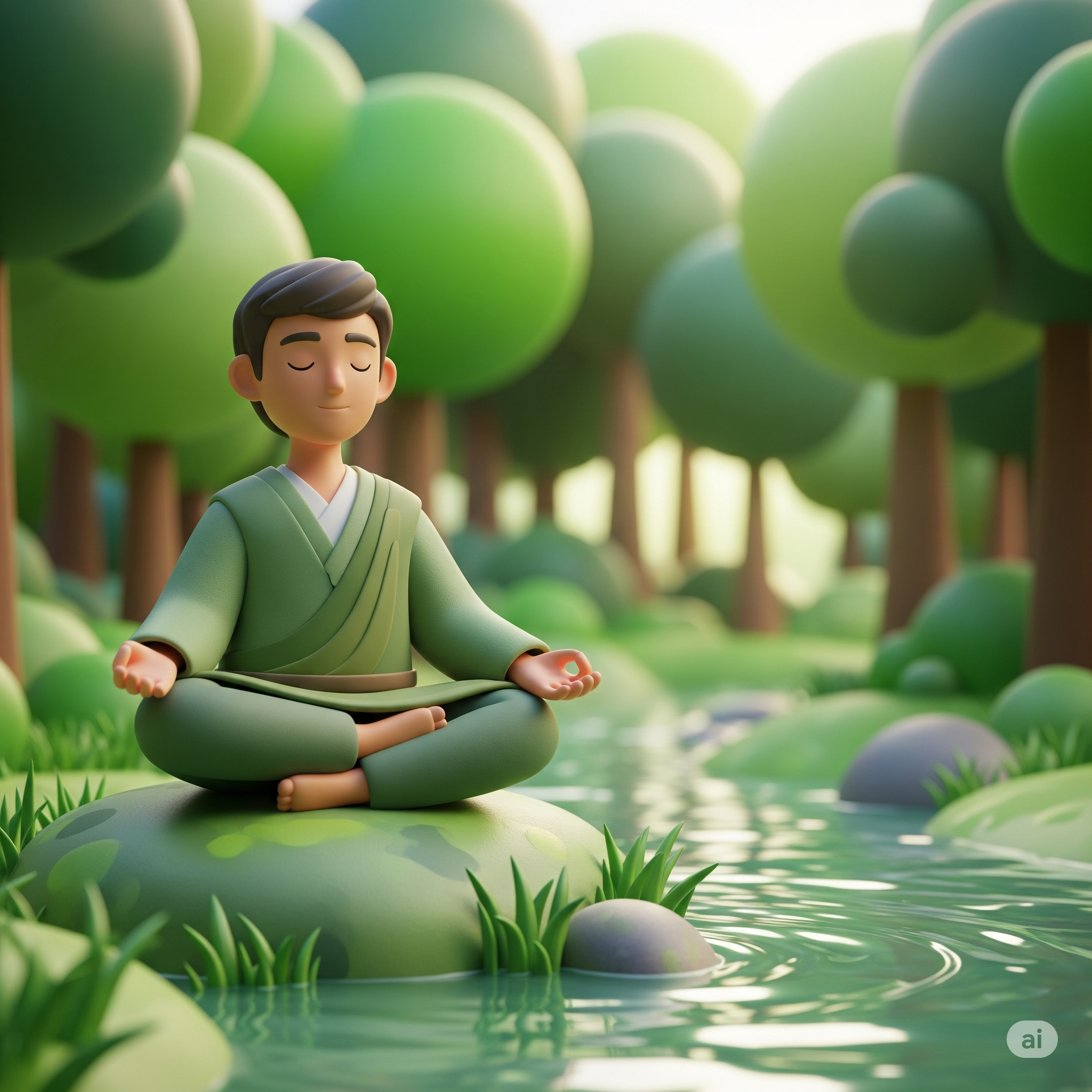
6) Certainly you can meditate here as well, but again, if that feels like an obligation, don’t feel pressured to do so. Meditation can be tough to stick to. You might try easing into meditation with a guided app on your phone.
Some people say that you should decorate it as well, but that does not produce “cues to your brain” nearly as much as the music or the smell does, so take that into consideration.
To some extent we are hacking the brain. We want to be able to retreat to this space and have it do what we want it to do for us. This is what works best.
If you don’t have the ability to create this indoor sanctuary, there is an alternative, and in spite of its simplicity, it may be even more effective.
Outdoor solitude to recharge your batteries
It doesn’t get much easier than this–just go outside by yourself, the further away from civilization and other people, the better.
The main and obvious suggestion would probably be: “Take a walk through nature.”
However, there are plenty of variations on “a walk through nature” that can give you plenty of “bang for your buck” when it comes to reducing mental and emotional stress from being outdoors:
1) Jogging/hiking outside – exercise is producing more endorphins for you.
2) Gardening – more productive and a bit more physical as well.
3) Walking with a friend – incorporates a social element which is helpful for us to get whenever we can.
4) Cycling – exercise/endorphins.
5) Meditating outdoors – double duty in terms of mindfulness and holistic health.
6) Journal at an outdoor cafe – double duty in terms of emotional health.
And there are certainly other variations of things that you can do outdoors, by yourself, that allow you to create a safe space of solitude in order to recharge your “introvert batteries.” These are just a few suggestions.
The nice thing about an “outdoor sanctuary” is that it is available to pretty much everyone.
Tapping into a virtual sanctuary when you have no other options
This is your “sanctuary on the go” plan. We are going to periodically remind ourselves to breathe throughout the day.
This is actual mindfulness in action.
Sound silly?
It’s not. It’s actually pretty amazing, and will put you way ahead of all those people who talk about mindfulness like it’s the greatest thing since sliced bread, but don’t really do much themselves to practice it.
The idea is simple:
Set an alarm on your phone to go off every single day, say at 3:00PM in the afternoon, with a label on the alarm that simply says “3 breaths.”
Make this alarm silent and vibrating only, for the sake of it being a peaceful reminder rather than a jarring noise.
When it goes off, simply pause with what you are doing (if you are able to) and close your eyes and do 3 slow, deep breaths, concentrating on “watching the breath go in and out.”
That’s it. Nothing more is required. Just 60 seconds total. Start by setting just one alarm per day, usually mid afternoon works well to start with.
Later on, when you get comfortable with the practice, you can bump it up and add a second alarm to your routine.
Some smart watches also do this, prompting you to breathe as well, but the phone works just fine for me.
You cannot always get to your “safe place,” so it helps to be able to transport yourself there simply by closing your eyes for a brief moment.
Even on a crowded subway, standing up and holding the handrail, rushing home from work with a thousand things weighing on your mind, you can still pause for 60 seconds and watch your breath go in and out.
This is powerful.
Every introvert needs this in their toolbox
Extroverts, and “normal people” for that matter, have the ability to simply go to an AA/NA meeting in order to stabilize and energize their mental and emotional state.
Since we don’t have that ability, we need to make a deliberate effort to cultivate our safe space–whether it is indoor, outdoors, or virtual.
Ideally, we would invest at least some effort in developing all three of these techniques. Doing so could be the difference between maintaining recovery or relapsing.
Leave a Reply